Journey Through Time: Exploring Mexico’s Rich Tapestry of Archaeological Sites
Mexico, with its diverse landscapes and deep-rooted history, is a treasure trove of archaeological wonders. From the ancient civilizations of the Maya, Aztec, and Olmec to lesser-known cultures, the country boasts a myriad of archaeological sites that provide a fascinating glimpse into its pre-Columbian past. In this article, we embark on a journey through time, uncovering some of the most remarkable archaeological sites that Mexico has to offer.
1. Chichen Itza: The Jewel of the Yucatan
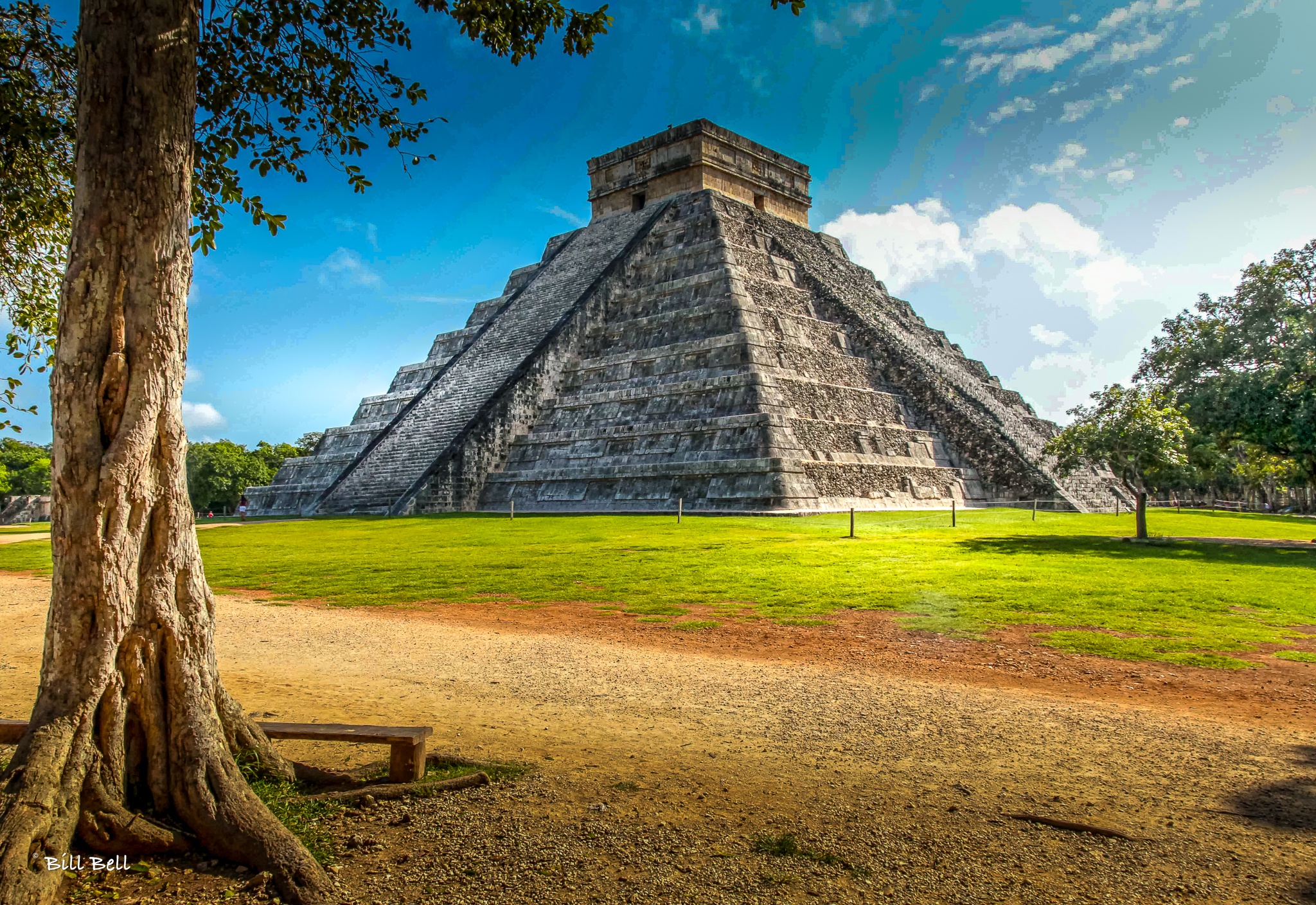
Chichen Itza, located in the Yucatan Peninsula, is arguably Mexico’s most iconic archaeological site. This ancient Maya city is renowned for its awe-inspiring Pyramid of Kukulkan, a step pyramid that aligns with remarkable precision to the equinoxes, creating the illusion of a serpent descending the pyramid’s steps. The site also features the Great Ball Court, Temple of the Warriors, and intricate carvings that shed light on Maya cosmology and culture.
2. Teotihuacan: The City of the Gods
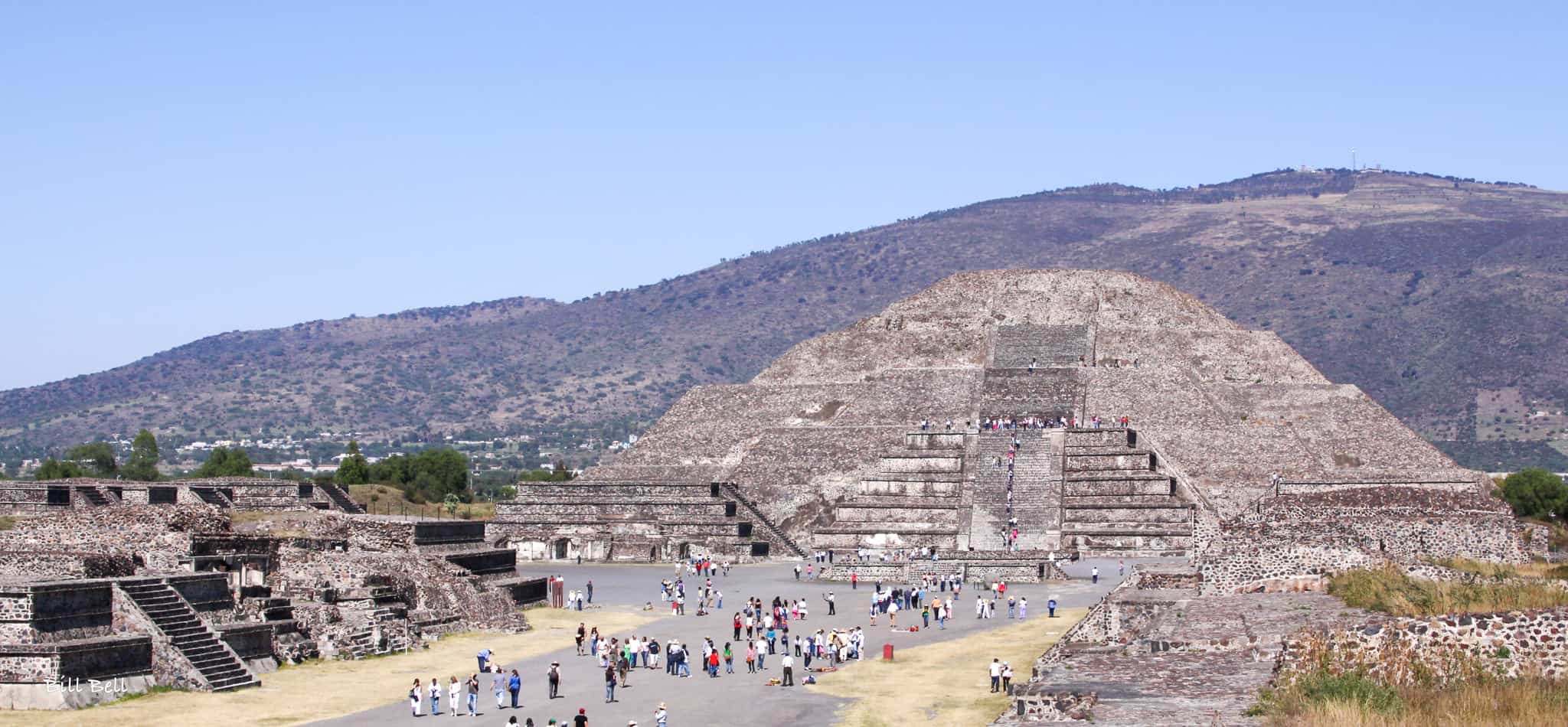
Just outside of modern-day Mexico City lies Teotihuacan, one of the largest and most influential cities in the pre-Columbian Americas. The Pyramid of the Sun and the Pyramid of the Moon are the city’s towering symbols, while the Avenue of the Dead connects these grand structures. The site’s precise layout, architectural marvels, and mysterious decline continue to captivate archaeologists and visitors alike.
3. Palenque: Enchanted Ruins in the Jungle
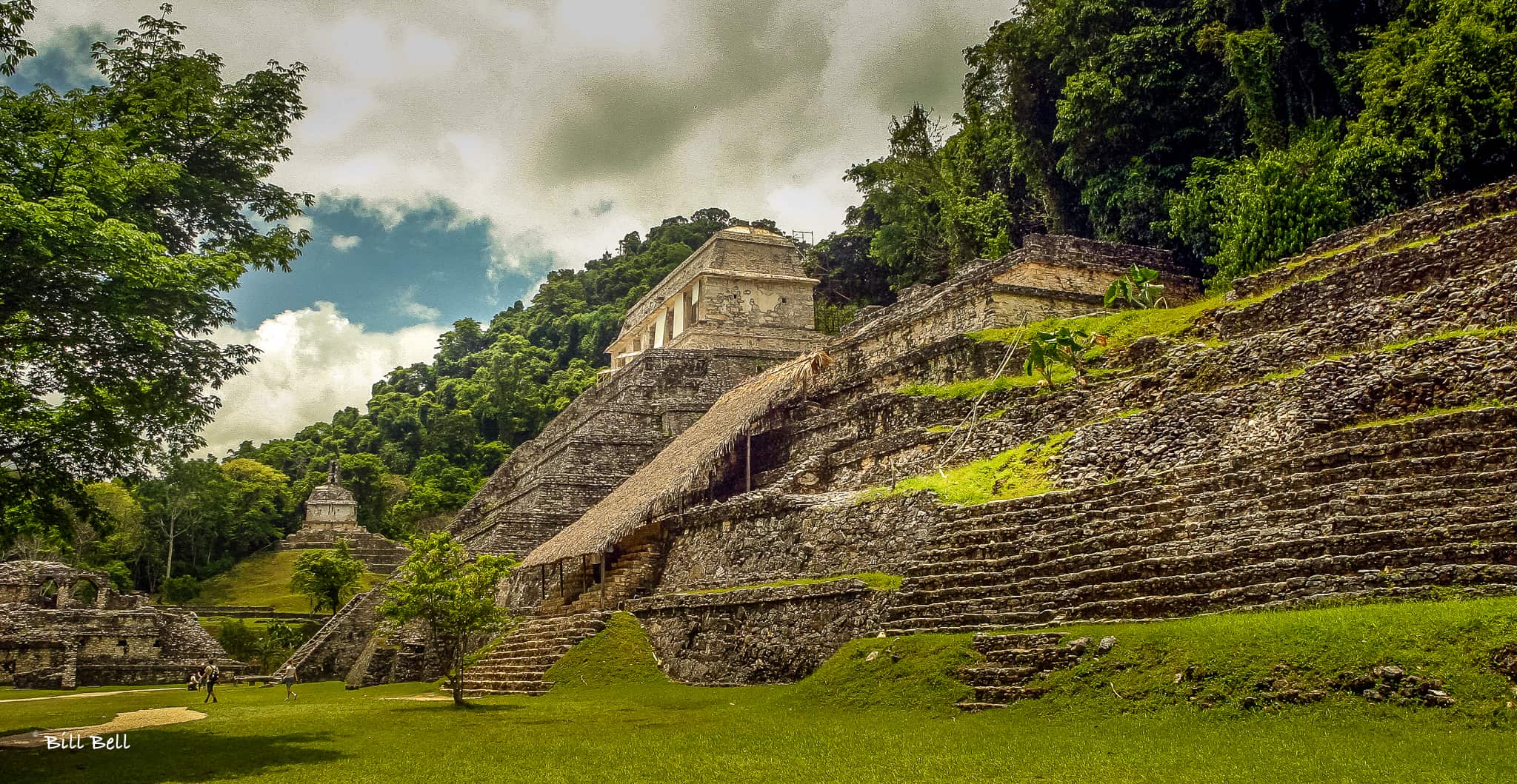
Nestled in the dense jungles of Chiapas, Palenque is a Maya city known for its exquisite architecture and the tomb of Pakal the Great, one of its most famous rulers. The Temple of the Inscriptions houses Pakal’s burial chamber and an intricate carved sarcophagus lid. Palenque’s stunning Palace and the Temple of the Cross Group are testaments to the city’s artistry and historical significance.
4. Monte Albán: The Zapotec Capital
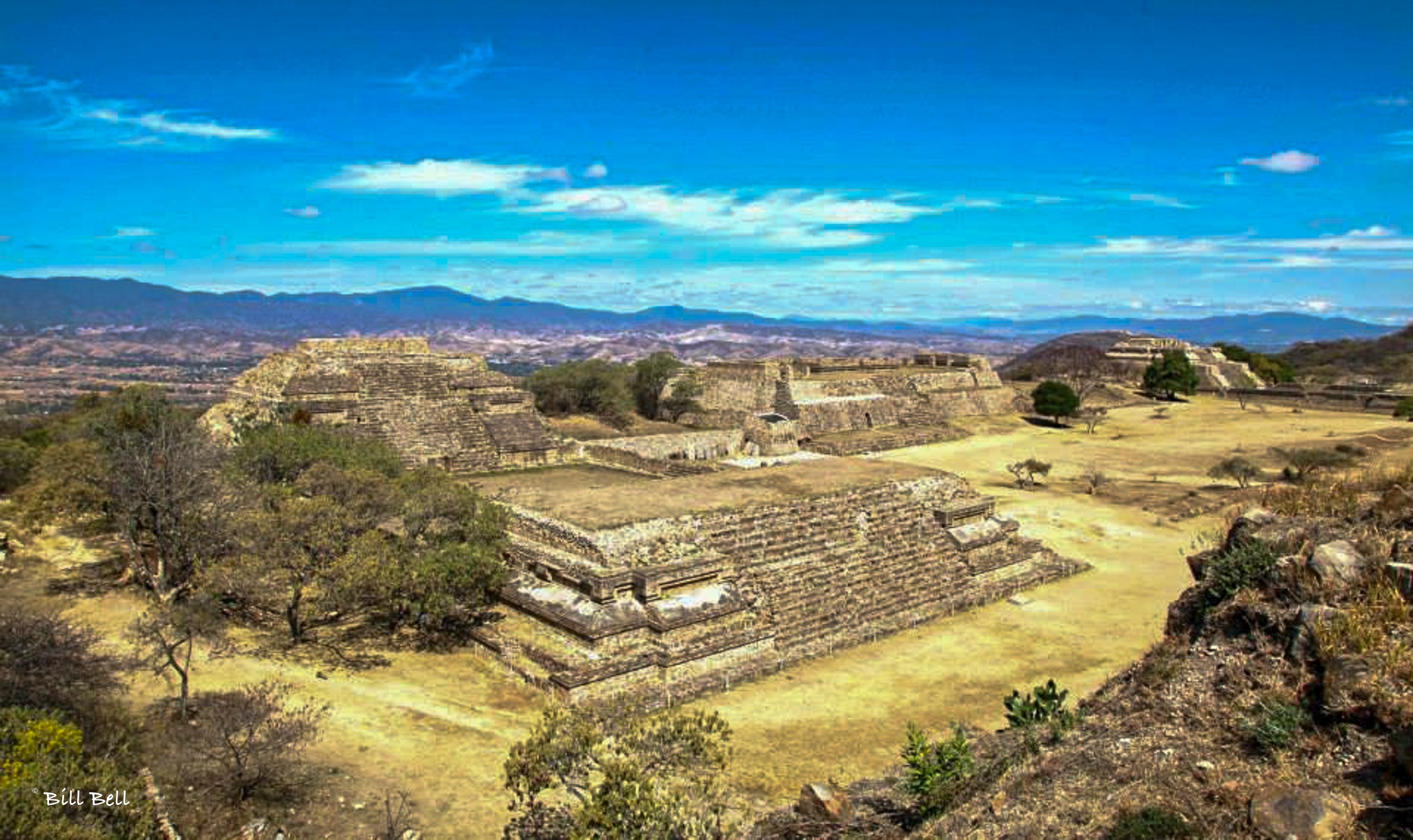
Monte Albán, located near Oaxaca City, was the capital of the Zapotec civilization. It sits atop a plateau with breathtaking views of the surrounding valleys. The site features vast plazas, temples, and tombs. The hieroglyphic script used here is one of the earliest known writing systems in Mesoamerica.
5. El Tajín: Home of the Totonac Culture
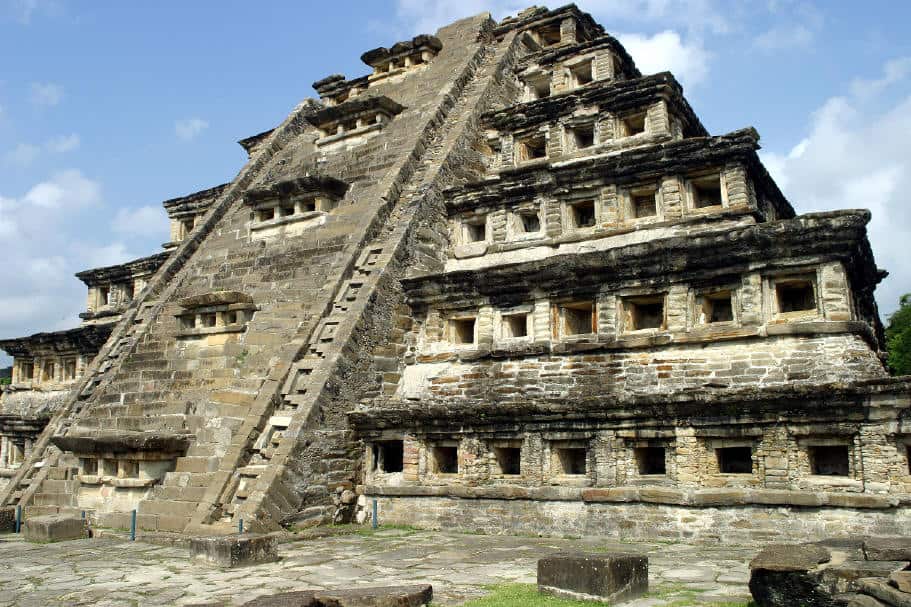
El Tajín, in the state of Veracruz, showcases the architecture and artistry of the Totonac civilization. The Pyramid of the Niches, a remarkable structure adorned with numerous niches, is a standout feature. El Tajín also boasts ball courts, palaces, and intricate reliefs.
6. Calakmul: The Mighty Maya Kingdom
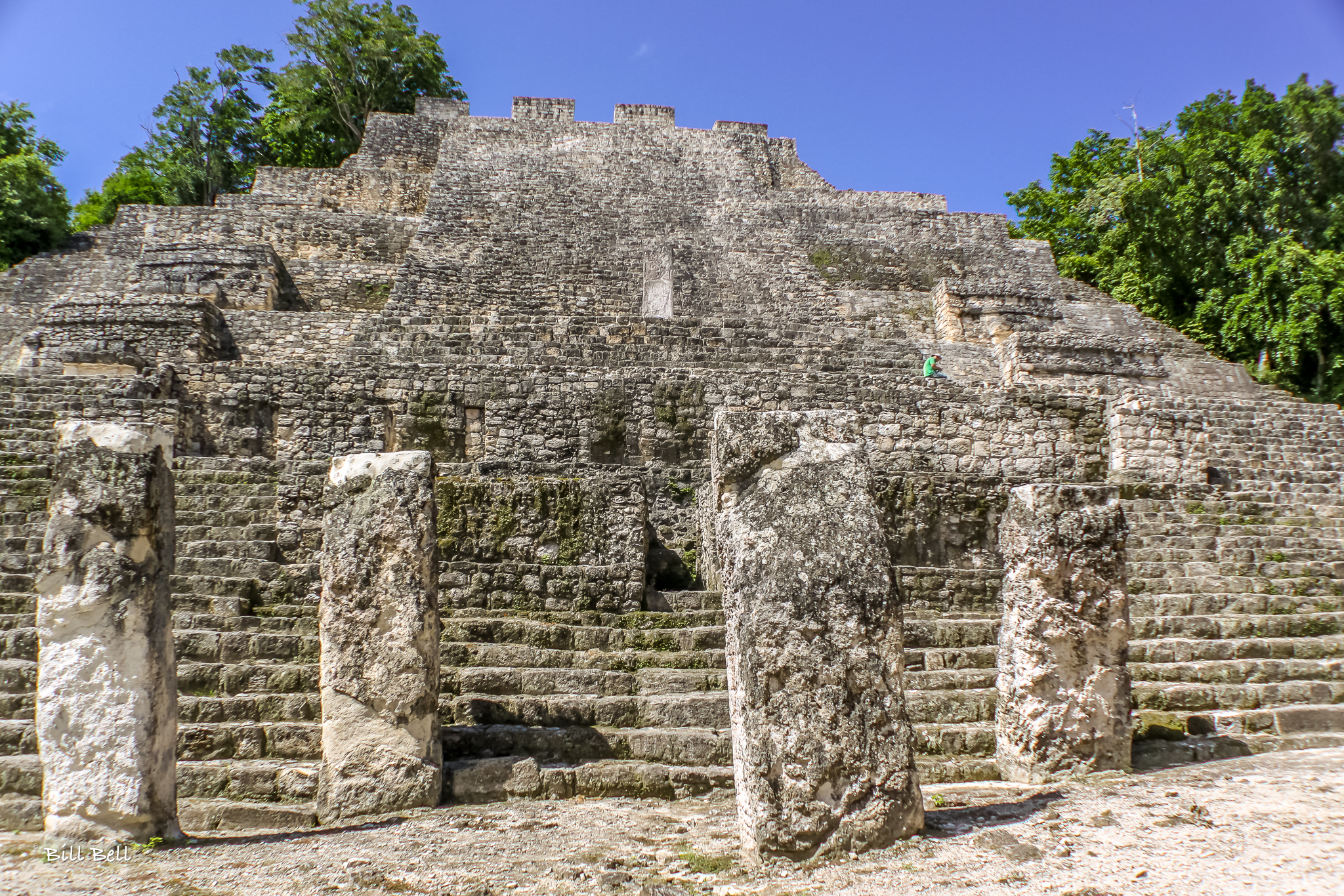
Located deep in the forests of the Yucatan Peninsula, Calakmul was a powerful Maya kingdom and rival to Tikal. Its towering pyramids and monumental architecture stand as a testament to its influence. Calakmul is also known for its rich biodiversity, making it a UNESCO World Heritage Site.
7. Tulum: The Cliffside City
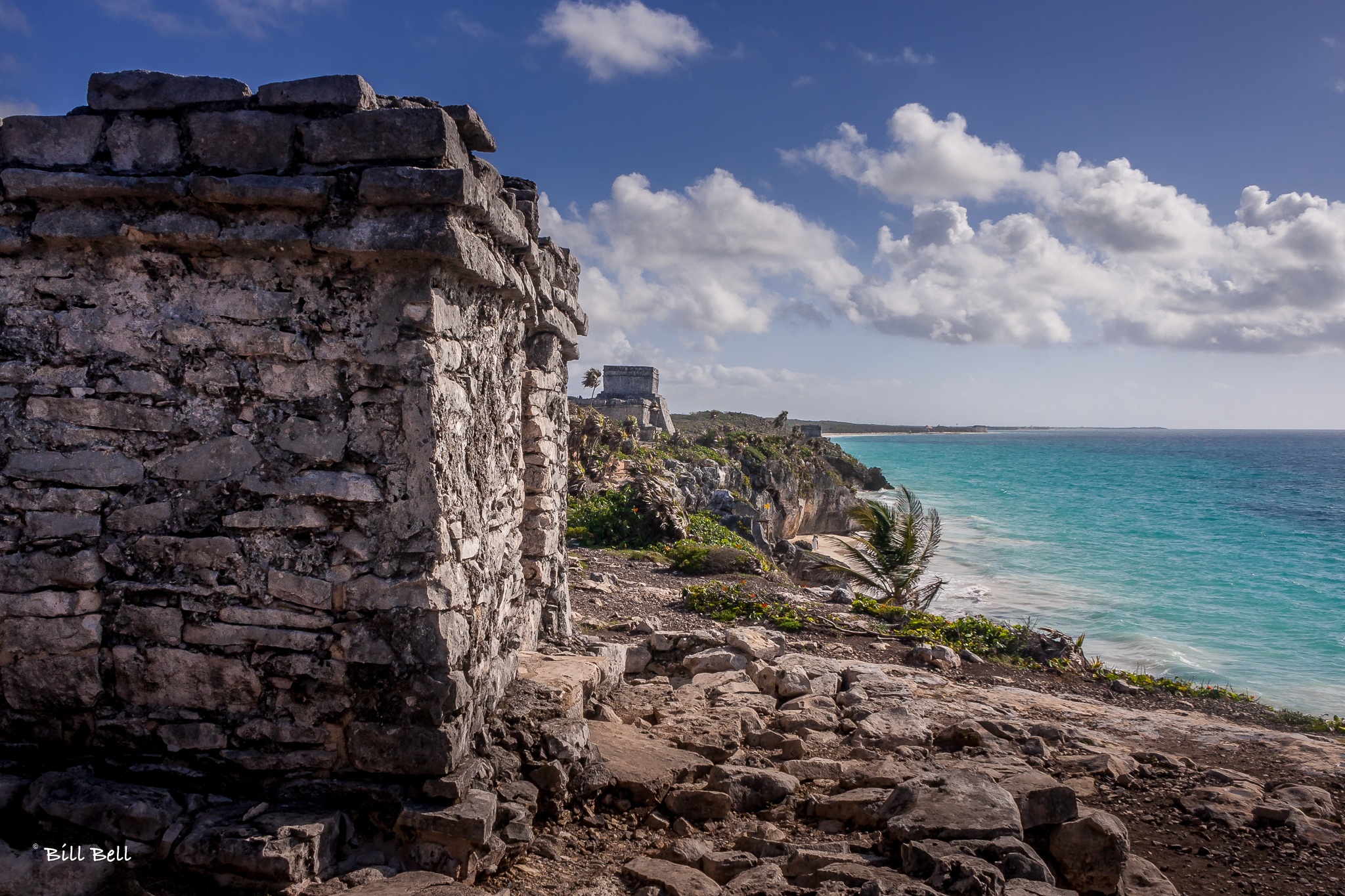
Tulum, perched on the cliffs overlooking the Caribbean Sea, was a Maya port city. It is famous for its stunning coastal setting, well-preserved walls, and the Temple of the Frescoes, adorned with colorful murals. Tulum offers a unique blend of Maya history and breathtaking natural beauty.
Conclusion
Mexico’s archaeological sites are not merely remnants of the past; they are windows into the achievements, beliefs, and daily lives of ancient civilizations. Exploring these sites is a journey through time, allowing us to appreciate the rich tapestry of Mexico’s pre-Columbian heritage and the enduring legacy of its indigenous cultures. Whether you’re an adventurer, history enthusiast, or simply in search of awe-inspiring landscapes, Mexico’s archaeological wonders await your discovery.