Ancient Marvel of Chichen Itza: Where History and Mystery Unite
Chichen Itza is a renowned archaeological site and a UNESCO World Heritage Site located in the Yucatan Peninsula of Mexico. It stands as a testament to the advanced civilization of the ancient Maya and is one of the most iconic and well-preserved archaeological sites in the Americas. This ancient city, whose name means “at the mouth of the well of the Itza,” holds a rich history that dates back to the pre-Columbian era.
Key features and aspects of Chichen Itza include:
-
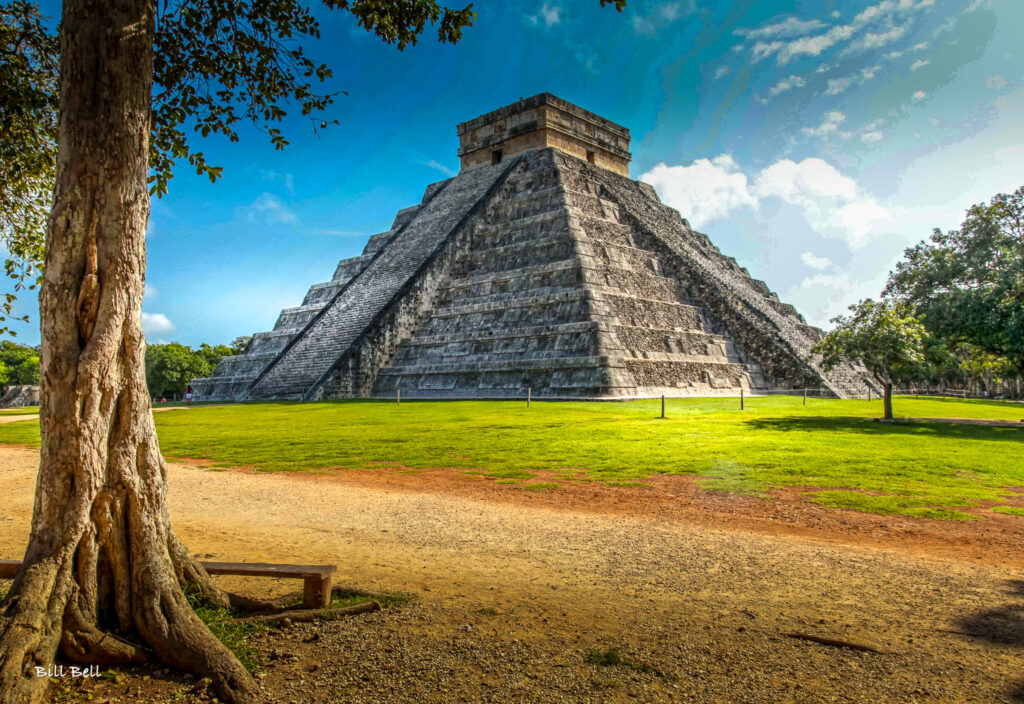
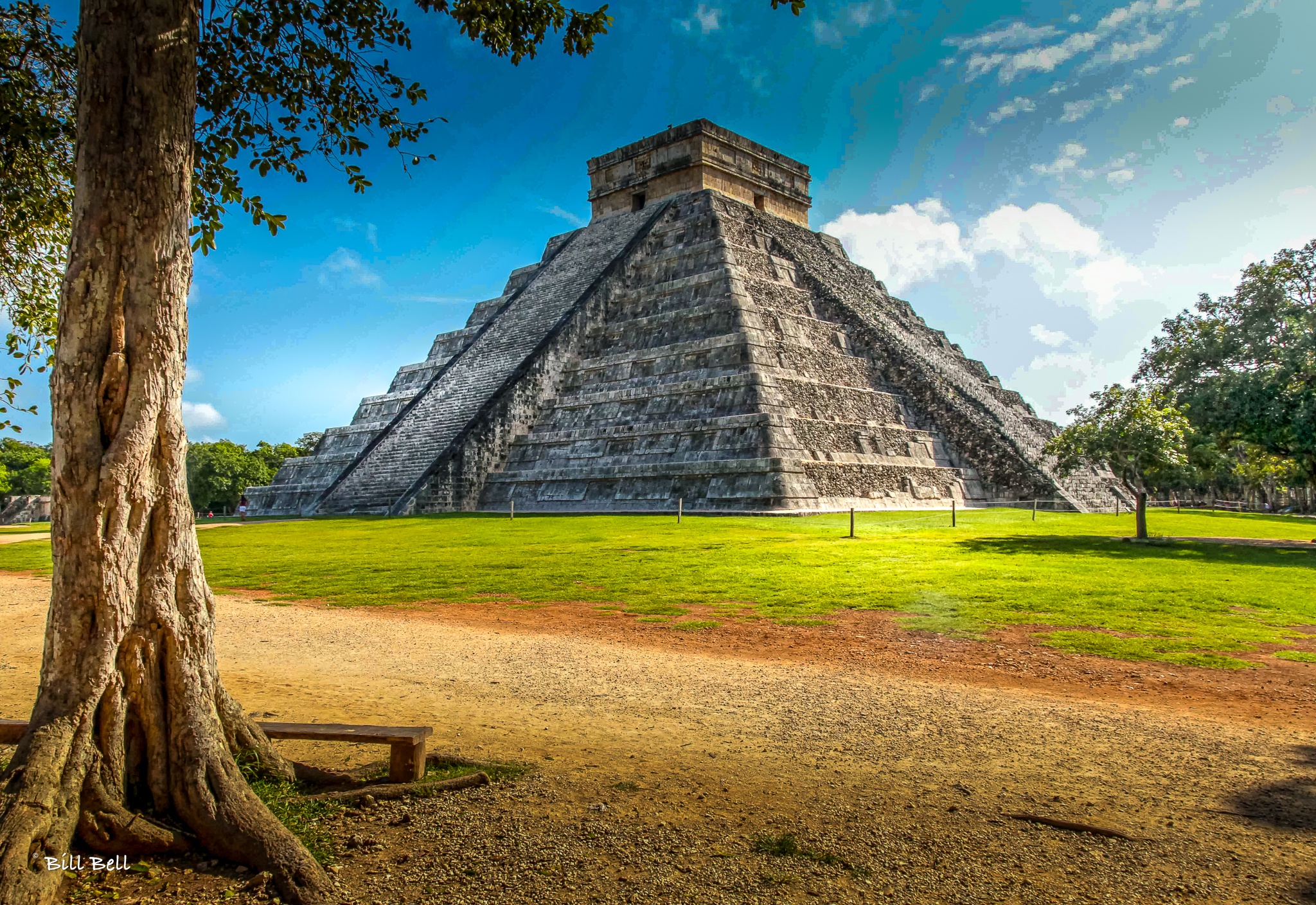
Pyramid of Kukulcan (El Castillo): The Pyramid of Kukulcan is the most famous structure at Chichen Itza. It is a massive step pyramid that was used for astronomical and ceremonial purposes. During the equinoxes, the play of light and shadow on the pyramid creates an illusion of a serpent descending the staircase, symbolizing the feathered serpent god Kukulcan. -
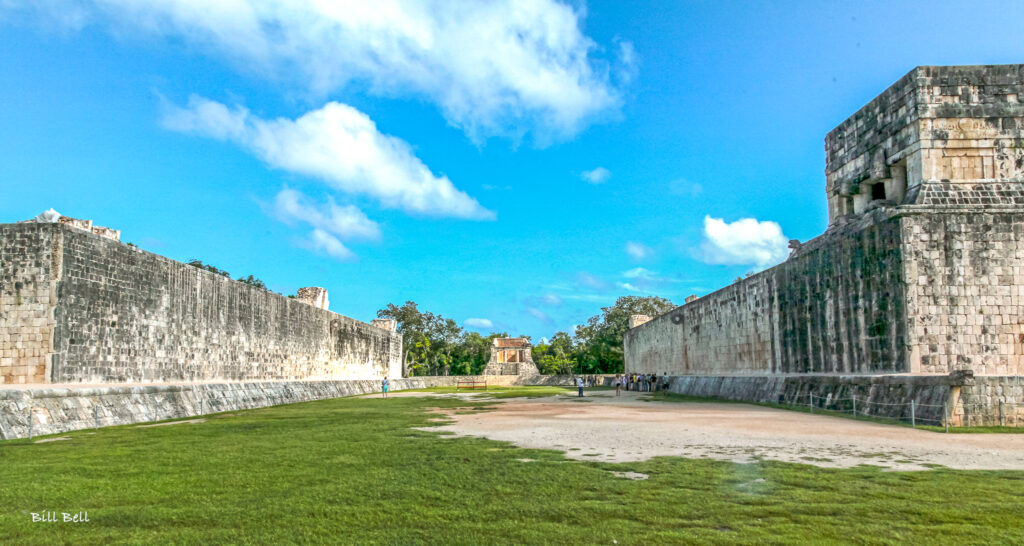
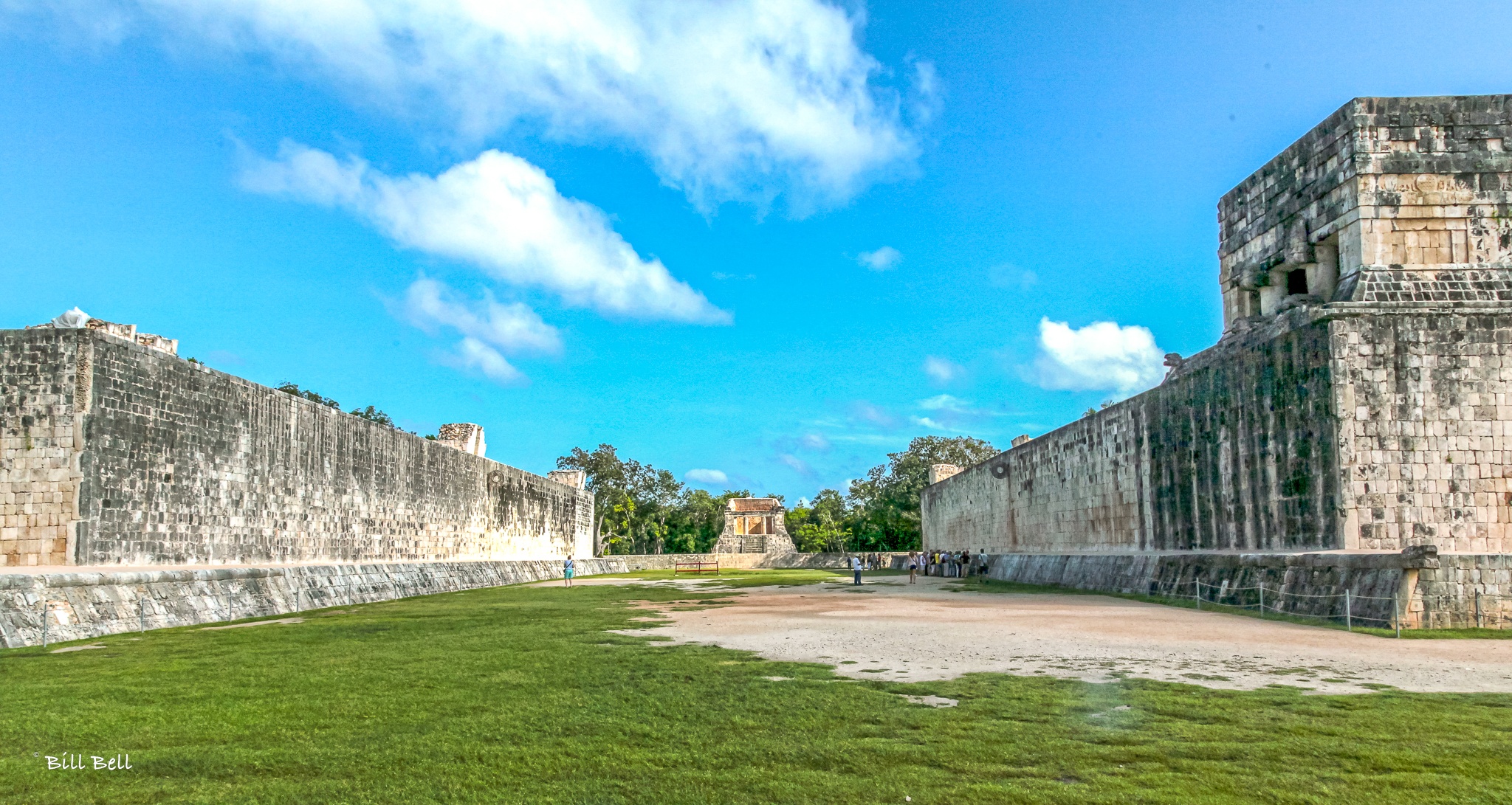
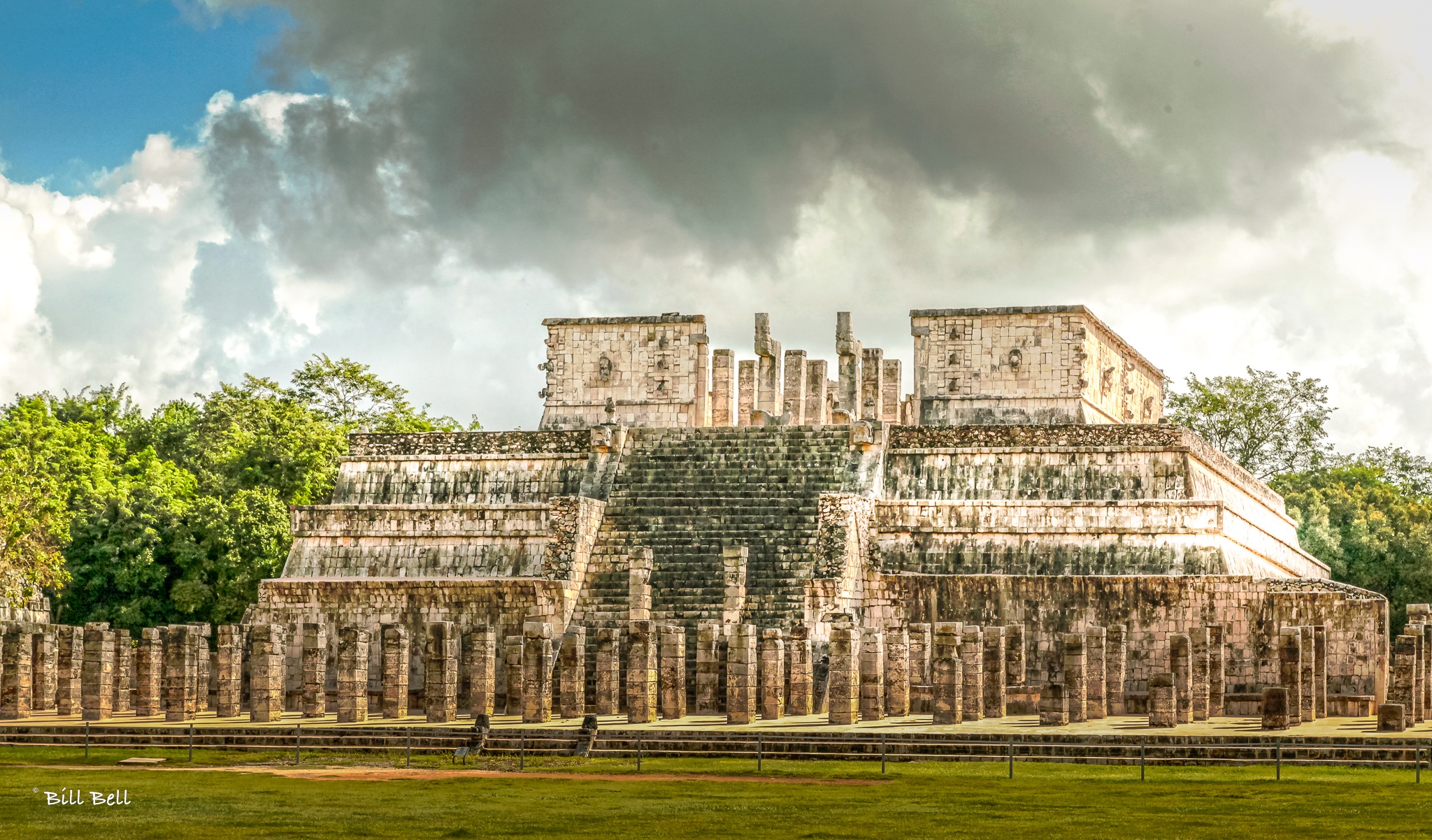
Great Ball Court: Chichen Itza boasts one of the largest ball courts ever discovered in Mesoamerica. The Great Ball Court is characterized by its enormous playing field with high stone walls adorned with intricate carvings. It is believed that ritualistic ball games were held here, possibly with sacrificial undertones. 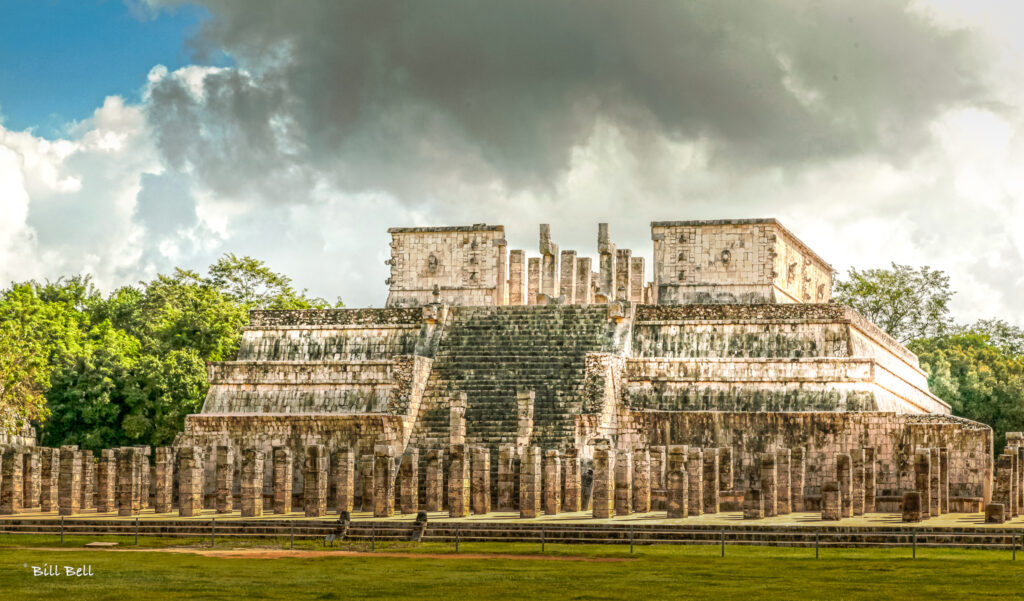 Temple of the Warriors: This temple complex features a large pyramid with a Chac Mool statue at the top. It is surrounded by a multitude of intricately carved columns and smaller structures. The temple is a tribute to the warrior class and demonstrates the rich artistic and architectural achievements of the Maya civilization.
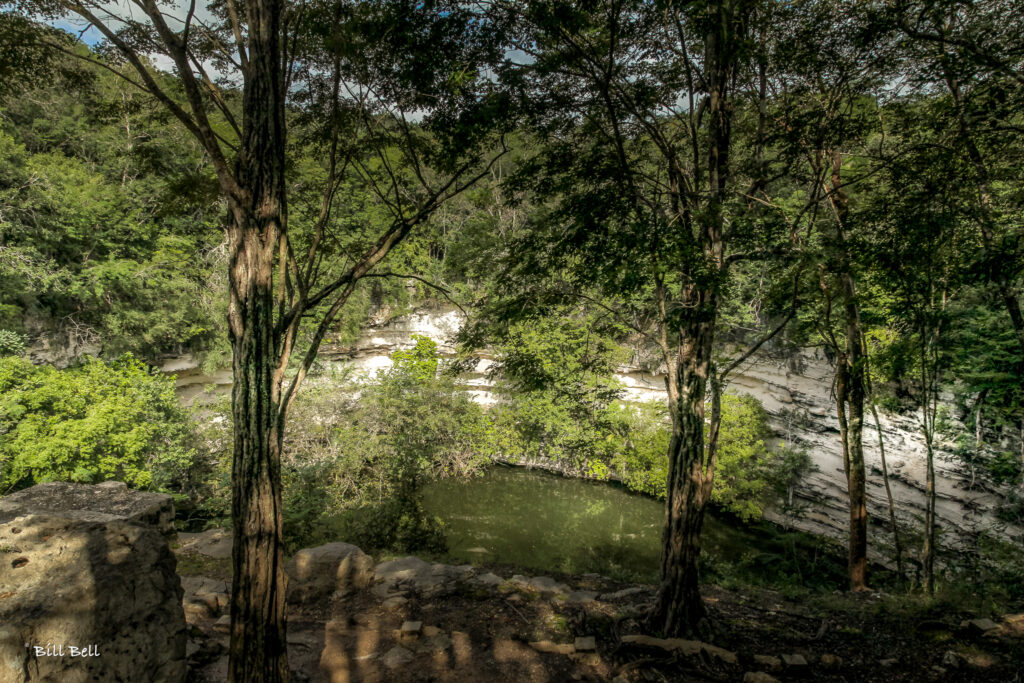
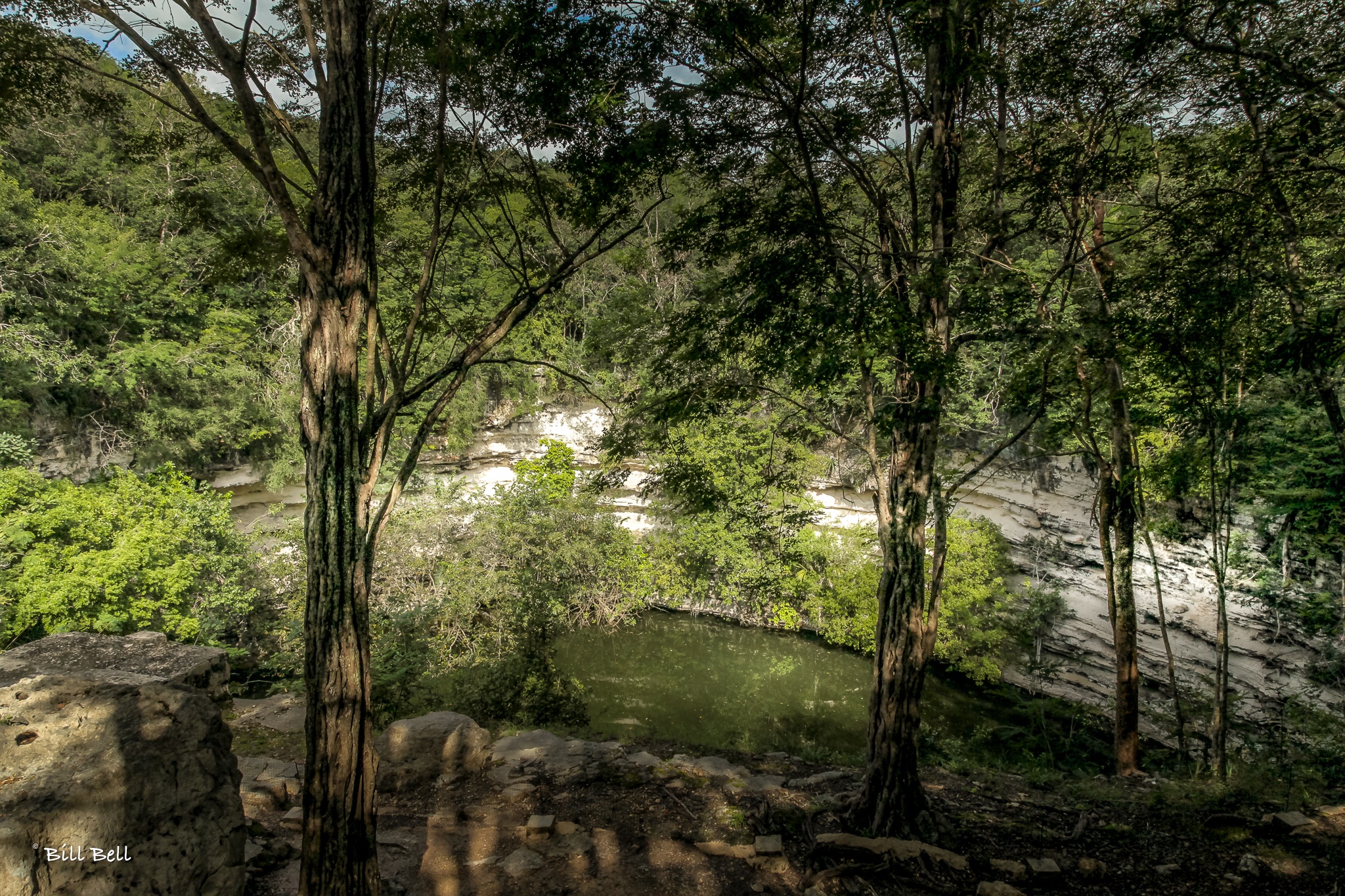
Sacred Cenote (Ik Kil): A natural sinkhole or cenote located within the site, the Sacred Cenote served as a significant religious and sacrificial site for the Maya. Offerings and, at times, even human sacrifices were made to appease the gods.
-
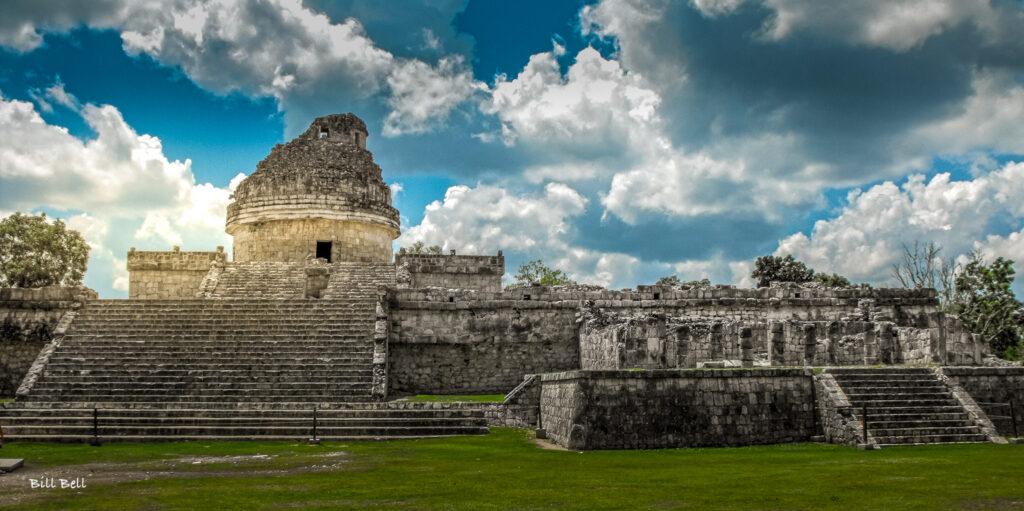
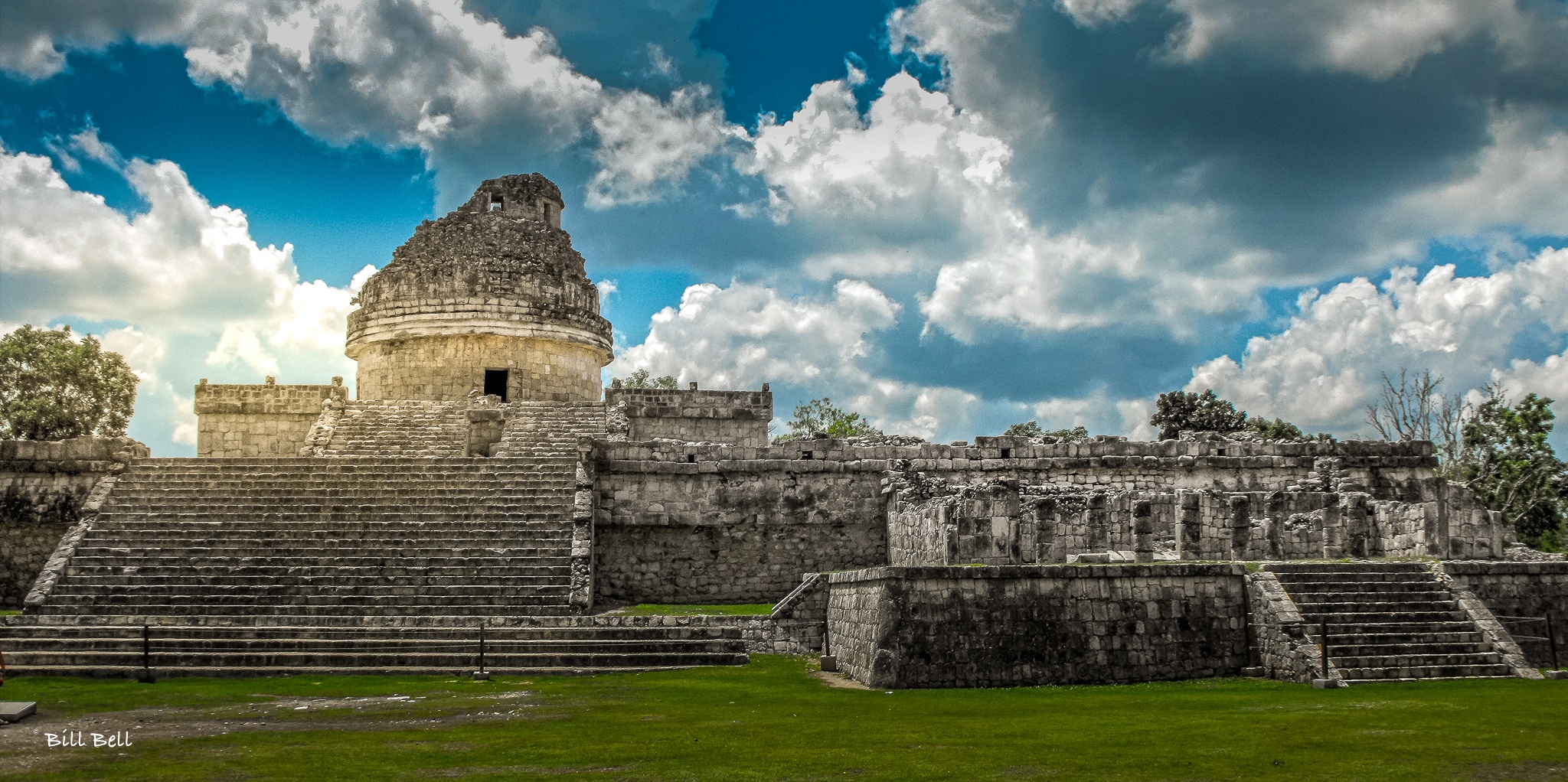
Observatory (El Caracol): This circular structure served as an astronomical observatory, displaying the Maya’s advanced knowledge of celestial events. El Caracol features narrow slits and windows aligned with key celestial phenomena like the solstices and equinoxes. - Temple of the Bearded Man: This temple is notable for a carved representation of a bearded figure, which is somewhat unusual in Maya art. The significance of this figure remains a subject of debate among archaeologists.
- Marketplace and Residences: Chichen Itza also contains evidence of residential areas, plazas, and a marketplace, providing insights into the daily life of the ancient Maya people.
- Archaeological Significance: Chichen Itza was a thriving city from around 600 AD until the decline of the Maya civilization in the late 10th century. It was later abandoned and rediscovered by archaeologists in the 19th century. Its well-preserved structures and intricate carvings offer valuable insights into Maya culture, religion, and architecture.
Chichen Itza is not only a testament to the remarkable architectural and engineering skills of the Maya but also a place of cultural and historical significance. Its mystical ambiance, rich history, and stunning architecture continue to draw visitors from all over the world, making it one of Mexico’s most popular tourist destinations and a symbol of Mesoamerican civilization.